
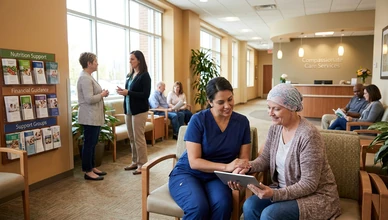
Cancer care does not always take place in a hospital. Many patients spend much of their treatment and recovery time at home, where they may need help with medicines, nutrition, mobility, hygiene, symptom monitoring, wound care, or general daily support.
Professional cancer patient home nursing Islamabad services can help families manage these needs more safely while keeping the patient in familiar surroundings.
The level of care depends on the type of cancer, stage of illness, current treatment, side effects, mobility, and the recommendations of the patient’s oncology team.
What Is Cancer Patient Home Nursing?
Cancer patient home nursing is professional nursing support provided in the patient’s home.
The nurse works according to the medical plan created by the treating doctor or oncology team.
Depending on the patient’s condition, care may include medication support, vital-sign monitoring, wound care, feeding assistance, mobility support, catheter care, hygiene, and observation for changes in health.
Some patients only need occasional nursing visits. Others may require 12-hour or 24-hour nursing support.
When May a Cancer Patient Need Home Nursing?
Home nursing may be useful when a patient is weak, recovering from surgery, receiving ongoing treatment, or finding normal daily activities difficult.
A nurse may also be helpful when the patient:
-
Needs regular medicines
-
Has limited mobility
-
Requires wound dressing
-
Needs feeding support
-
Has a catheter or other medical device
-
Requires monitoring after hospital discharge
-
Is bedridden
-
Needs help during the night
-
Has complex care needs that are difficult for family members to manage
The need for professional nursing should be reviewed as the patient’s condition changes.
Nursing Support During Cancer Treatment
Cancer treatment can affect patients in different ways.
Some people remain active during treatment, while others experience significant fatigue, weakness, nausea, poor appetite, or difficulty moving.
A home nurse can help maintain a structured care routine and support the patient with daily nursing needs.
The nurse should not replace the oncology team but can help families follow the treatment and discharge instructions at home.
Medication Support
Cancer patients may take several medicines.
These may include medicines for pain, nausea, infection prevention, constipation, existing medical conditions, or other treatment-related needs.
A home nurse can help follow the prescribed medication schedule and keep a clear record where required.
Medicines should never be added, stopped, or changed without instructions from the treating doctor.
Monitoring Side Effects
Some cancer treatments can cause side effects that need close attention.
These may include tiredness, nausea, vomiting, poor appetite, dehydration, mouth problems, weakness, or changes in bowel habits.
A home nurse can observe the patient and report concerning changes.
However, the nurse should not assume that every new symptom is a normal treatment side effect.
Unexpected or severe symptoms should be discussed with the oncology team.
Nutrition and Hydration Support
Cancer and its treatment can affect appetite.
Some patients may eat less because of nausea, mouth discomfort, taste changes, weakness, or difficulty swallowing.
A nurse can support the patient with meals and hydration according to the care plan.
If the patient has significant weight loss, swallowing problems, repeated vomiting, or difficulty maintaining nutrition, professional medical and nutritional advice may be needed.
Feeding Tube Care
Some cancer patients use a feeding tube when eating normally is difficult.
A trained nurse may assist with tube feeding, routine care, hygiene, and monitoring according to the prescribed plan.
The family should know what to do if the tube becomes blocked, damaged, or dislodged.
Any feeding tube problem should be handled according to the instructions provided by the healthcare team.
Wound Care After Cancer Surgery
Some patients need wound dressing after cancer surgery.
A qualified nurse can help with dressing changes, wound observation, and hygiene according to the surgeon’s instructions.
The nurse may monitor for increasing redness, swelling, unusual discharge, bleeding, or worsening pain.
Concerning changes should be reported to the treating team.
Post-surgical wound care should always follow the specific plan given at discharge.
Care for Bedridden Cancer Patients
Some cancer patients become too weak to move independently.
Bedridden patients may need help with repositioning, hygiene, feeding, medicines, toileting, and skin care.
Regular repositioning may help reduce the risk of pressure injuries.
A cancer patient home nursing Islamabad service may be particularly useful when the patient needs frequent assistance and family members cannot safely provide all of the required care.
Mobility and Fall Prevention
Weakness can increase the risk of falls.
A nurse can help the patient move between the bed, chair, bathroom, and other areas safely.
Families can also improve home safety by keeping walking areas clear, improving lighting, and using recommended mobility aids.
Patients should not be encouraged to walk independently if the healthcare team has advised assistance.
Personal Hygiene and Comfort
Cancer patients may need help with bathing, dressing, oral care, grooming, and toileting.
Maintaining hygiene can improve comfort and dignity, especially when the patient is weak or bedridden.
The nurse should encourage the patient to remain as independent as safely possible while providing help when needed.
Monitoring Vital Signs
Some patients may need regular checks of:
-
Blood pressure
-
Temperature
-
Pulse
-
Oxygen saturation
-
Blood sugar, if relevant
The required monitoring depends on the patient’s condition and treatment plan.
A nurse can maintain a record and report concerning changes to the healthcare team.
Infection Awareness
Some cancer treatments can weaken the immune system.
This may increase the risk of infection.
Families should follow the oncology team’s instructions about hygiene, food safety, visitors, and warning signs.
Fever or other symptoms of infection can be important in cancer patients and should not be ignored.
If the oncology team has provided a specific temperature threshold or emergency plan, families should follow it closely.
Pain Support at Home
Pain can occur for many different reasons in cancer patients.
A nurse can help ensure prescribed pain medicines are given correctly and on schedule.
The nurse can also observe whether pain appears to be improving or getting worse.
Severe, sudden, or uncontrolled pain should be reported to the treating doctor.
Medication doses should not be increased without medical advice.
Emotional Support for Patients and Families
Cancer affects more than physical health.
Patients may feel anxious, frustrated, tired, or worried about their treatment and future.
Family members may also feel overwhelmed by caregiving responsibilities.
A home nurse can provide calm, respectful day-to-day support, but persistent emotional distress may also require help from the patient’s doctor, counsellor, psychologist, or other appropriate professional.
12-Hour vs 24-Hour Nursing for Cancer Patients
The right schedule depends on how much help the patient needs.
A 12-hour nurse may be suitable when the patient mainly requires support during daytime or nighttime and family members can safely manage the remaining hours.
A 24-hour arrangement may be considered when the patient is bedridden, needs frequent medicines, requires assistance throughout the night, or cannot safely remain without trained support.
Families should base the decision on the patient’s actual care requirements.
Cancer Nursing After Hospital Discharge
Cancer patients may need additional care after hospitalisation or surgery.
The discharge plan may include medicines, wound instructions, nutrition advice, mobility guidance, follow-up appointments, and warning signs.
A home nurse can help continue this care at home.
Families should provide the nurse with the discharge summary and any instructions from the treating team.
Palliative and Comfort-Focused Care
Some cancer patients may receive care focused mainly on comfort and quality of life rather than curative treatment.
This may involve symptom control, personal care, mobility support, feeding assistance, and emotional support.
Home nursing can be one part of this care.
Palliative care decisions should be guided by the patient, family, and treating medical team.
Families should understand that palliative care is a specialised area and may involve doctors, nurses, and other healthcare professionals working together.
When Should You Seek Urgent Medical Help?
Cancer patients can sometimes deteriorate quickly.
Seek urgent medical advice or emergency care if the patient develops:
-
Severe breathing difficulty
-
Chest pain
-
Loss of consciousness
-
Uncontrolled bleeding
-
New seizures
-
Severe confusion
-
Persistent vomiting with inability to keep fluids down
-
Sudden severe weakness
-
Signs of serious infection
-
Rapidly worsening pain or symptoms
Families should also follow any emergency instructions given by the oncology team.
What Information Should You Give the Home Nurse?
Provide complete and accurate information about the patient.
Useful details include:
-
Cancer diagnosis
-
Current treatment
-
Recent hospital discharge papers
-
Medicine list
-
Allergies
-
Feeding instructions
-
Mobility limitations
-
Wound-care plan
-
Catheter or tube information
-
Emergency contacts
-
Upcoming appointments
This helps the nurse understand the patient's current needs and follow the existing medical plan.
How to Choose Cancer Patient Home Nursing in Islamabad
Before arranging cancer patient home nursing Islamabad, check the nurse’s qualifications and experience.
Ask whether the nurse has experience caring for cancer patients, post-surgery patients, bedridden patients, feeding tubes, wound care, or other relevant needs.
Also clarify the working hours, nursing duties, replacement arrangements, and communication process.
The family should know exactly what the nurse can and cannot provide before care begins.
Does a Cancer Patient Need a Nurse or an Attendant?
It depends on the level of care required.
A patient attendant can help with basic daily activities such as bathing, feeding, toileting, and companionship.
A qualified nurse is more appropriate when clinical care is needed, such as medication administration, wound dressing, health monitoring, catheter care, or other nursing procedures.
Some patients may need both types of support at different stages of their illness.
How Long Is Home Nursing Needed?
There is no fixed duration.
Some cancer patients only need nursing for a short period after surgery or hospital discharge.
Others may require longer-term care because of ongoing treatment, reduced mobility, or advanced illness.
The nursing plan should be reviewed regularly as the patient’s condition changes.
Final Thoughts
Cancer care at home can involve many different needs, from medicines and nutrition to mobility, wound care, monitoring, and personal support.
Professional cancer patient home nursing Islamabad services can help families manage these responsibilities while keeping the patient at home.
The best care plan should be based on the patient’s condition, treatment plan, level of independence, and doctor’s recommendations.
Home nursing should work alongside the oncology team, not replace it.
With clear medical instructions, trained nursing support, and family involvement, patients can receive more organised and comfortable care at home.
Frequently Asked Questions
No. Some patients remain independent and only need support from family. A nurse may be more useful when the patient has medical, mobility, wound, feeding, or monitoring needs.
Yes. A qualified nurse may help with wound dressing, medicines, mobility, hygiene, and monitoring according to the discharge plan.
A nurse can help give prescribed pain medicines and observe symptoms, but medicine changes should be made by the treating doctor.
Not always. The amount of nursing depends on the patient’s condition and how much assistance is required during the day and night.
In some cases, yes. Home-based palliative care may be appropriate when arranged with the patient’s healthcare team and supported by suitable nursing and medical services.