Recent escalations involving Israel, Iran, and the United States have raised serious concerns across the globe. Whenever military conflict intensifies between powerful nations, the consequences extend far beyond political leadership and territorial disputes.
The greatest cost of war is always paid by innocent civilians.
This article explores the humanitarian, medical, and global implications of such conflicts, and why the international community must prioritize peace over prolonged confrontation.
War in the modern era is not confined to battlefields. With advanced missile systems, drones, and long-range weaponry, civilian populations often become direct victims.
Major humanitarian consequences include:
-
Civilian casualties and injuries
-
Destruction of hospitals and infrastructure
-
Disruption of electricity, water, and food supply
-
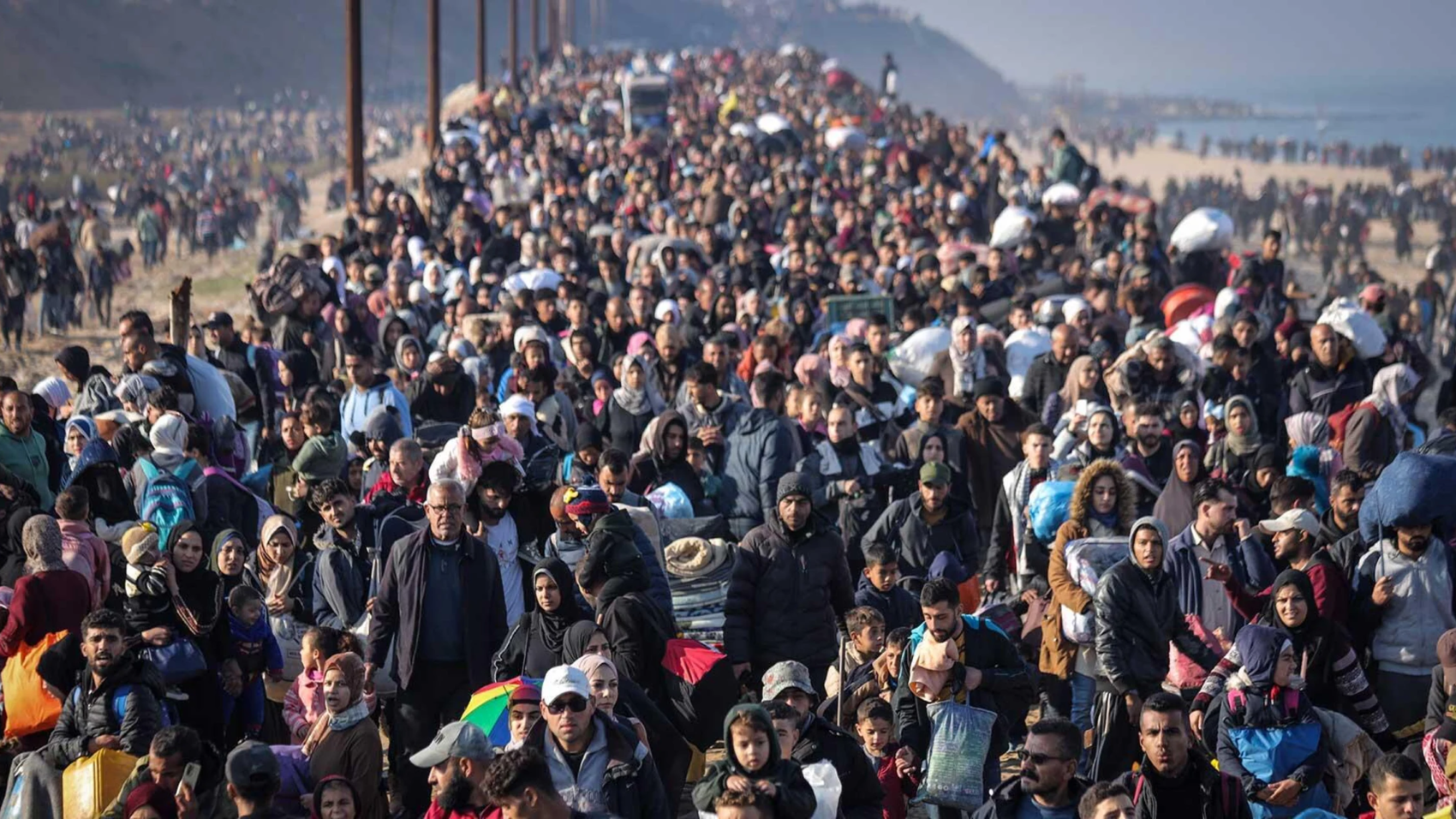
Large-scale displacement of families
-
Psychological trauma and long-term mental health issues
When conflict escalates between militarily advanced nations, the scale of destruction can multiply rapidly.
When tensions involve states with advanced military capabilities, including nuclear strength, the risks become even more alarming.
Potential consequences include:
-
Massive civilian loss of life
-
Environmental contamination
-
Long-term radiation exposure
-
Economic instability across regions
-
Global security uncertainty
Even the fear of escalation can destabilize financial markets and international relations.
The world cannot afford another large-scale regional war with global consequences.
War does not end when the missiles stop. In many cases, the medical crisis that follows lasts for decades.
Immediate Health Effects
-
Blast injuries and burns
-
Loss of limbs
-
Trauma-related complications
-
Psychological shock (PTSD)
Long-Term Health Impact
-
Spread of infectious diseases due to damaged sanitation
-
Respiratory illnesses caused by environmental pollution
-
Cancer risks from chemical exposure
-
Malnutrition among children and elderly populations
Healthcare systems often collapse under the pressure of war. Patients with chronic illnesses — including cancer, stroke, kidney failure, and heart disease — face life-threatening interruptions in treatment.
Global powers, regional organizations, and diplomatic institutions must act decisively to:
-
Promote immediate de-escalation
-
Encourage ceasefire negotiations
-
Facilitate diplomatic dialogue
-
Ensure humanitarian corridors remain open
-
Prevent further civilian casualties
Peace is not the responsibility of two nations alone — it is a shared global obligation.
Pakistan has historically supported diplomatic dialogue and peaceful conflict resolution in international forums.
In moments of heightened global tension, Pakistan can:
-
Advocate for ceasefire at international platforms
-
Encourage mediation between involved parties
-
Collaborate with Muslim and regional nations for stability
-
Promote humanitarian assistance initiatives
Regional stability benefits not only neighboring countries but also global peace and economic balance.
War Human Lives and the Urgent Need for Global Responsibility
When advanced weapons are used, the environmental and medical consequences can be severe:
-
Chemical contamination
-
Radiation risks
-
Soil and water pollution
-
Long-term genetic and respiratory disorders
History has shown that the health consequences of warfare often outlast the conflict itself.
No political objective justifies large-scale civilian suffering.
Protecting human life should always be the highest priority of governments, institutions, and global leaders.
When peace prevails:
✔ Hospitals remain operational
✔ Medical supply chains stay intact
✔ Families remain together
✔ Economies remain stable
✔ Children grow up without trauma
War reverses decades of development in a matter of days.
Healthcare organizations understand deeply how conflict impacts vulnerable patients.
Lajpal Care Private Limited Company has always stood for the protection of human life, patient safety, and community well-being. In times of global instability, the importance of healthcare services becomes even more critical.
When war disrupts medical systems, elderly patients, cancer patients, stroke survivors, and chronically ill individuals are among the first to suffer.
Ensuring safety, preparedness, and healthcare continuity is not only a medical duty — it is a humanitarian commitment.
History consistently demonstrates that prolonged wars:
-
Destroy economies
-
Displace generations
-
Deepen political divides
-
Create long-term humanitarian disasters
Sustainable peace can only be achieved through diplomacy, negotiation, mutual respect, and responsible leadership.
Escalations involving Israel, Iran, and the United States serve as a reminder that modern conflicts carry global consequences. The true victims of war are innocent civilians whose lives are disrupted, injured, or lost.
The international community must prioritize diplomacy over destruction and dialogue over escalation.
Human life is invaluable. Protecting it must remain above politics, power, and rivalry.
Only through collective global responsibility can we ensure a safer and healthier future for all.
Home Nursing Services, 24/7 Male-Female Nursing Staff, Home Patient Care services , Patient Attendant Services, New Born Baby Care Services, Home Disable Care Services, Home Elderly Care Services, Home Physio Services, Buy a Medical Bed or More, Daily or Per Visit Services, Home Care Services, All Domestic Staff